

Ever find yourself sitting on the floor, crying, because you’re so depleted, touched out, exhausted, and overstimulated? Girl, same!
Eight years ago, I was a puddle on my kitchen floor, sobbing. My husband might have even considered calling an exorcist. (Honestly, I wouldn’t have blamed him.) I remember trying to find the right words to explain what was happening:
- I was more than tired.
- I was more than overwhelmed.
- I was fully depleted. I had nothing left to give.
I’d read all the self-care tips and just do less tricks, but none resonated. They felt like Band-Aids when I’d lost a limb. Finding things that actually worked for me took trial and error, but I’m so glad I didn’t give up!
The Lie of “Doing It All”
Let’s get real: the idea that women can “do it all” is a lie! Unless your name is Diana Prince, you are human—with finite resources.
Sure, it’d be great if there were an easy button to create more time or emotional energy. But there isn’t. What leads to burnout isn’t simply doing too much—it’s deeper than that. For me, it was unresolved trauma, poor boundaries, ineffective parenting techniques, and burning the candle at both ends.
You Can’t Heal Without Resources
The problem? Fixing those things requires capacity—and I had none. That’s where this list comes in—your emotional triage plan.
Here are 10 small changes you can make to free up emotional capacity, mental space, and time. The goal? Less chaos, more joy.
But listen, you’re already maxed out, so don’t try all 10 at once. Pick one or two that feel doable and start there—every step you take to lighten the load matters.

1. Start Your Day with Sunshine: How Morning Light Boosts Your Mood and Lowers Stress
Morning sunshine isn’t just a luxury—it’s a daily dose of energy and calm that can transform your day. That first light of the day helps regulate your body’s circadian rhythm (your internal clock). Plus, a little fresh air and sun just feels good.
The Benefits of Morning Light:
- Boosts your mood: Exposure to sunlight increases serotonin levels, reducing stress.
- Improves sleep: Morning light helps regulate your sleep-wake cycle.
- Increases energy: Helps prevent that dreaded afternoon crash.
- Balances blood sugar: Supports insulin sensitivity and overall metabolic health.
Even in colder climates (shoutout to my fellow Minnesotans!), there are simple ways to grab these benefits. Try stepping outside for just 5-10 minutes in the morning—the difference is amazing!
Stay tuned for a deep dive into this topic in an upcoming blog post.

2. Fuel Your Body, Fuel Your Life: The Importance of Eating Enough to Thrive
Nutrition often becomes an afterthought when you’re juggling kids, work, and household responsibilities. But how we fuel our bodies can make or break our energy levels (and sanity!).
Did you know that skipping meals or only eating sporadically throughout the day can mess with more than just your mood? It can impact your stress levels, hormones, and sleep—adding even more pressure to your already overflowing plate.
Don’t worry; you’re not alone! Most moms don’t realize that missing breakfast and eating “lunch” at 3 p.m. are accidental forms of intermittent fasting. While that might work for some people, it often backfires for busy moms who need steady energy and balanced hormones to manage everything on their to-do lists.
Simple Ways to Fuel Your Body:
- Eat something within an hour of waking up (yes, even before coffee!).
- Keep nutrient-dense snacks on hand to avoid blood sugar crashes.
- Prioritize protein, healthy fats, and carbs to sustain energy levels throughout the day.
And let’s talk about coffee for a second (don’t worry, I’d never tell you to give it up!). Drinking coffee on an empty stomach can spike cortisol, leaving you feeling even more drained. Try eating something small first—it makes a big difference!
A little attention to when and how you eat can help you stay steady, feel nourished, and show up for your day with more capacity.
Stay tuned for a deep dive into this topic in an upcoming blog post.

3. Refuel Yourself First: The Key to Caring for Your Family Without Burning Out
We’ve all been there: trying to function on four hours of sleep, fueled by cold coffee and sheer willpower. But here’s the truth—taking care of yourself isn’t just a luxury; it’s a necessity.
If your tank is empty, it’s impossible to show up for your family in the way you want to. And let’s be honest, no one is winning when you’re running on fumes.
Why This Matters:
- Your well-being sets the tone for your entire household.
- Neglecting yourself leads to burnout, resentment, and exhaustion.
- Caring for yourself isn’t selfish—it’s an investment in your family’s happiness.
Simple Ways to Refuel:
- Prioritize sleep—even if that means going to bed earlier.
- Make hydration and nourishing meals a non-negotiable.
- Give yourself permission to rest, without guilt.
Think of it as healthy selfishness, where everyone wins. So, put down the guilt and pick up your oxygen mask—because the better you feel, the better everyone around you will feel!
Stay tuned for a deep dive into this topic in an upcoming blog post.
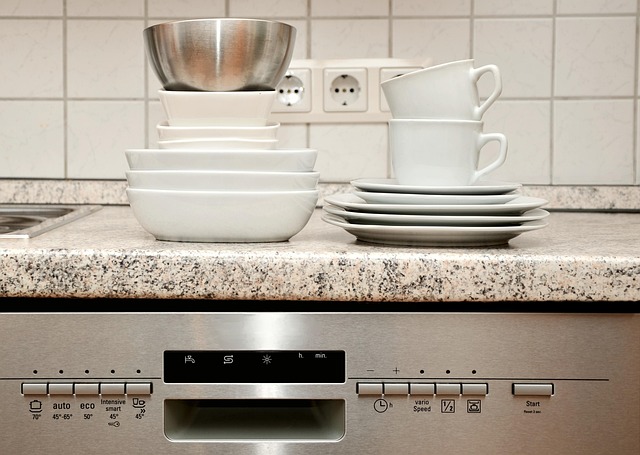
4. Self-Care Isn’t Glamorous: It’s About Doing What Future You Will Thank You For
If self-care were really all about bubble baths and candles, wouldn’t we all be much more relaxed?
The truth is, real self-care means doing the hard stuff. It’s:
- Cleaning up the toys before bed so you don’t trip over them in the morning.
- Prepping lunch now so you’re not scrambling later.
Self-care isn’t always fun, but it’s about being kind to Future You.
The Difference Between Self-Soothing and Self-Care
- Self-soothing feels good now.
- Self-care makes life easier later.
When you’re standing in a clean kitchen or finding the kids’ socks right where they should be, you’ll realize that sometimes, the best self-care is the least glamorous.
Stay tuned for a deep dive into this topic in an upcoming blog post.

5.Tame the Media Monster: Reduce Stress by Curating What You Consume
Social media and news consumption can quietly drain your emotional resources without you even realizing it.
When I took a 30-day break from both, I saw just how much of my time, energy, and mental clarity had been hijacked by endless scrolling and negativity. It was tough at first—breaking the habit meant finding better ways to fill the gaps—but once I did, I felt so much lighter that my 30-day goal stretched into 90!
How I Took Control:
- Unfollowed anything that made me feel worse.
- Curated my feed with inspiring and educational content.
- Set app limits to prevent doom-scrolling.
If you’ve ever felt overwhelmed or drained after being online, it might be time to clean up your digital space and take control of what you consume.
The News Cycle: A Constant Source of Stress
The news cycle isn’t any better—it thrives on fear, outrage, and controversy, which can leave you feeling anxious and hopeless. A few years ago, I chose to step back entirely:
- No talk radio.
- No political debates.
- No endless news loops.
And guess what? My life didn’t fall apart.
How to Stay Informed Without Feeling Overwhelmed
If staying informed is important to you, try this approach:
- Set boundaries—limit your consumption.
- Choose trusted sources to avoid misinformation and fear-mongering.
- Avoid “angertainment”—don’t get sucked into the outrage machine.
- Focus on what you can control—take action in your own life.
Want a fresh perspective on political discourse? Check out organizations like Braver Angels, which promote meaningful, respectful conversations across political lines.
The goal isn’t ignorance—it’s protecting your peace so you have more energy for what truly matters.
Stay tuned for a deep dive into this topic in an upcoming blog post.

6. Train Your Brain for Joy: Simple Practices to Foster a Positive Mindset
When my second child hit the toddler years, I braced myself. I’d already lived through the “terrible twos,” and completely bought into the idea that toddlers are the worst. Let me tell you—the twos did not disappoint. Neither did the threes.
But by the time my third child came along, something had changed—me. After years of working on myself, I saw toddlerhood through a different lens. Instead of gearing up for battle, I leaned into the wonder of it. I slowed down, let her explore, and ditched the rigid timeline. And guess what? It changed everything.
As it turns out, the toddler years are my FAVORITE! What a joy to watch these little humans discover the world around them.
Your mindset shapes your experience—not just in parenting, but in every area of life. When my husband starts becoming the “bad guy” in my head, I know it’s time to remind myself of all the ways he isn’t. When I catch myself grumbling about the slow driver in front of me, I try to remember they’re a human too—maybe they’ve had a rough day, maybe they’re lost, or maybe they just really enjoy driving the speed limit.
Now, this isn’t about toxic positivity. Some things in life just plain suck, and pretending they don’t won’t do you any favors. Feeling all your emotions—including the hard ones—is essential.
But there’s a difference between acknowledging struggles and feeding them with a negative mindset. A few simple shifts can make a big difference:
- Instead of “I can’t,” try “I can’t yet.”
- Instead of “Things are really hard right now,” try “I’m in a season of growth.”
- My personal favorite? “Hard is not bad.”
The way you frame your experiences matters. And when you train your brain to look for joy, you’ll start finding it in places you never expected.
Stay tuned for a deep dive into this topic in an upcoming blog post.

7. Protect Your Peace: How Setting Boundaries Can Save Your Sanity
Raise your hand if the idea of boundaries has ever felt confusing or downright terrifying. (Yep, same.)
For a long time, I equated boundaries with confrontation, and since confrontation ranks somewhere between public speaking and stepping on a Lego in terms of things I’d rather avoid, I struggled.
But once I saw the peace boundaries brought into my life? Game changer.
I’ve learned that boundaries aren’t about controlling other people—they’re about me showing up as my best self. They’re simply a way of saying what I will or won’t do or accept in a relationship. That’s it. No drama required.
Boundaries have two key parts:
- Clearly state what you will or won’t do.
- Follow through. (Yes, this is the hard part.)
For example, setting a boundary might mean declining a social event when you don’t have the capacity. But the real boundary isn’t just saying no—it’s not going and not guilt-tripping yourself about it.
Or maybe you set screen time limits for your kids. The boundary isn’t just announcing the rule; it’s consistently enforcing it (which, let’s be honest, is where a lot of us falter).
If you’re not used to setting boundaries, it takes practice. A great place to start? Pay attention to the moments when you feel like you’re about to lose it—those are often red flags that a boundary is needed.
Get curious: Why am I feeling this way? What can I shift to protect my peace next time?
Over time, setting boundaries will become second nature, and with each one, you’ll notice a little more calm, a little more clarity, and a whole lot more you.
Stay tuned for a deep dive into this topic in an upcoming blog post.

8. Make Life Easier: Automate and Simplify Your Home Management
We can all agree—the mental load of running a home and family is HEAVY. Even with a supportive, engaged partner, the sheer number of invisible tasks can feel absolutely crushing.
It wasn’t until important things started slipping through the cracks that I had a realization: I don’t actually have to hold all of this information in my poor, exhausted brain.
Enter: automation.
I started using timers and alarms on my phone to remind me to pack bags, start the car, or leave on time. Siri lets me know it’s trash day, and recurring subscriptions mean I never have to ask, Did we run out of dog food again?!
Saying, “Hey Siri, set a 90-minute laundry timer,” is way easier than spending the next hour and a half trying to remember to switch the load before it turns into a damp, musty regret.
These small shifts free up so much more mental energy than you’d expect. We live in the age of technology—so why not use it to our advantage?
Stay tuned for a deep dive into this topic in an upcoming blog post.

9. Make Room for Calm: Tips to Purge and Manage the Clutter in Your Home
The last thing you need is another person on the internet telling you to get rid of your stuff.
My house still has its fair share of doom piles (thanks, ADHD), and with five people under one roof, we definitely own more than we need. But a few simple mindset shifts about clutter have been life-changing for me.
Here’s the thing: owning stuff has a cost, and it’s not just the money you spent on it.
It costs you:
- Time to clean it up
- Space to store it
- Effort to maintain it
Some things are absolutely worth that cost—others, not so much.
And here’s the best part: you don’t have to carve out dedicated time to declutter.
In fact, I’ve found the most effective way to manage clutter is to simply be done with things as I go.
If I’m putting towels away and spot some expired products in the linen closet? Toss them. No need to schedule a full-blown closet purge just because some minimalist influencer says so.
Yes, there’s a time and place for a big decluttering session, but the real work happens in the small, everyday moments.
Once you start letting go of the things that aren’t worth keeping, it actually becomes fun.
How many items can I donate, gift, or sell—just so I never have to clean them up again?
Stay tuned for a deep dive into this topic in an upcoming blog post.

10. It Takes a Team: How Family Communication and Delegation Create Balance
Please tell me I’m not the only mom who has fallen into the “It’s just easier to do it myself” trap!
When it came to communication and delegation in our family, I was definitely the problem.
I needed things done my way, I didn’t teach my kids how to contribute, and I didn’t tell my husband I was drowning—then somehow felt resentful that I was doing everything. Yikes.
Here’s what I had to learn (the hard way):
- My way is not the “right” way—as long as the task gets done, who cares if it’s not my exact method? I mean, seriously, it’s just housework.
- I’m responsible for how my kids view chores and contributing to the family. If I want them to grow into adults who support their future spouses and work as a team, that starts now.
- My husband is not a mind reader. (Shocking, I know.) If I need help, I have to say it.
Consistently communicating and delegating has lightened my load and—bonus!—has taught my kids valuable life skills.
It has helped us feel more like a team and created clearer expectations for everyone.
So, if you’ve been trying to do it all yourself…maybe it’s time to start handing out some assignments.

Mama, I know how overwhelming it can feel to make changes when you’re already running on fumes.
But the smallest shifts—whether it’s changing your mindset, setting a boundary, automating a task, or asking for help—can create real breathing room in your life.
Now, take a big deep breath and remind yourself that you got this!
I can’t wait to hear which one you plan to try first, let me know in the comments.
And if you want more tips on simplifying mom life and finding more joy in the chaos, join my email list so we can tackle this journey together.